Progress reports are still typed into Excel every morning
Hand counts and paper logs mean that by the time managers see them, yesterday's problems are already too late.
→ MES & automated data collection
Manufacturing System Development · AI · Automation
Connect production, quality and equipment data, and turn what you cannot see on the shop floor into what you can. From MES and production management system development to AI, BAP supports you end to end.
Why factory data, why now
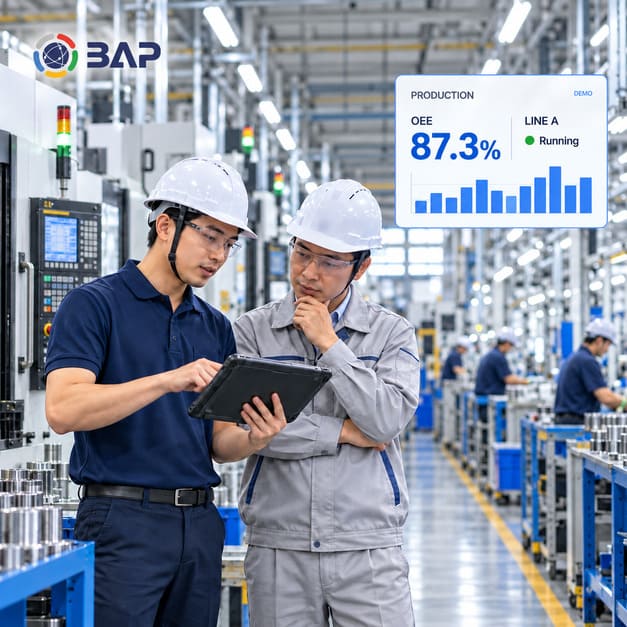
As smart factory initiatives advance, factory data infrastructure now stands alongside electricity, water and gas as an essential utility. AI, IoT, automation and cybersecurity are shifting from one-off projects to always-on services you simply plug into.
BAP designs, builds and operates the right data infrastructure for your plant, from sensors, networks and MES/WMS to AI.
Sound familiar?
Start with the six on-site problems that quietly cost you money every day. Each has a simple fix.
Hand counts and paper logs mean that by the time managers see them, yesterday's problems are already too late.
→ MES & automated data collectionDowntime is estimated, not measured, and two departments report two different utilization rates for the same line.
→ IIoT monitoringExcel tracking and manual receiving cause inventory gaps, line stoppages and costly emergency responses.
→ Smart warehouse management (WMS)Manual spot checks catch problems late, putting a whole lot and customer trust at risk.
→ AI visual inspectionMaintenance runs on gut feeling, and a bearing temperature creeping up for weeks went unnoticed.
→ Predictive maintenanceAir leaks, idle furnaces and aging motors stay hidden without line- and shift-level metering.
→ Energy monitoringOur solutions
BAP is not a software reseller but a technical partner, from design to system integration. We start with "the smallest step that pays off."
Manage data collection, lot traceability and OEE on one screen, and integrate with your existing ERP.
Accurate inbound, outbound and inventory control with barcodes and RFID, including FIFO and expiry management.
Retrofit sensors onto legacy equipment to monitor operations in real time, with instant alerts on anomalies.
Apply AI only where ROI is clear, and validate with a small PoC before scaling.
A data backbone connecting MES, WMS and ERP, plus network safeguards for the factory floor.
Replace Excel macros, Access databases and end-of-support systems with web systems, without stopping the line.
How we work
We start by understanding your current state, narrow down the issues, test small, then scale. Every phase has clear goals and evaluation criteria, so you avoid wasted investment.
On site or online, we review business processes and existing systems and identify the issues to solve first.
We trial on a single line or area, measure results against pre-agreed criteria, and decide whether to scale.
Phased deployment, integrated with your ERP and existing systems, with minimal disruption to production.
Technical support, system monitoring and continuous improvement, with support scope and SLA clearly defined.
Training, manuals and knowledge transfer so your team can run the system on its own.
The right solution. Transparent cost. Measurable results. Every PoC is evaluated on results, cost and scalability. We prioritize proposals that fit your needs, reuse your existing systems and avoid unnecessary investment.
Industries
We focus on industries where we already speak the vocabulary — the standards, the failure modes, the seasonality.
Every plant manages the same four things: machines, materials, people and time. Tell us about your line — we will tell you plainly whether we are a good fit.
Factory AI Academy
Installing tools is easy. The hard part is building people who can use them on the shop floor. Our trainers visit your plant and work alongside your staff in Japanese, Vietnamese and English, until AI becomes part of daily work, not a training memory.
The Academy promise: every participant finishes with at least one work-ready deliverable (a report template, handover document, checklist app, inspection script and more). Real results, built in real work.
Use ChatGPT and Claude for daily reports, handovers, checklists and Japanese-Vietnamese-English SOP translation, within an approved, secure data environment.
Use AI to draft inspection criteria, analyze defect trends and prepare 8D and FMEA documents faster, and understand what computer vision inspection can and cannot do.
Build in-house tools with Copilot, Claude Code and Codex: report automation and simple apps on MES/WMS data, with the judgment to avoid over-engineering.
Inside BAP
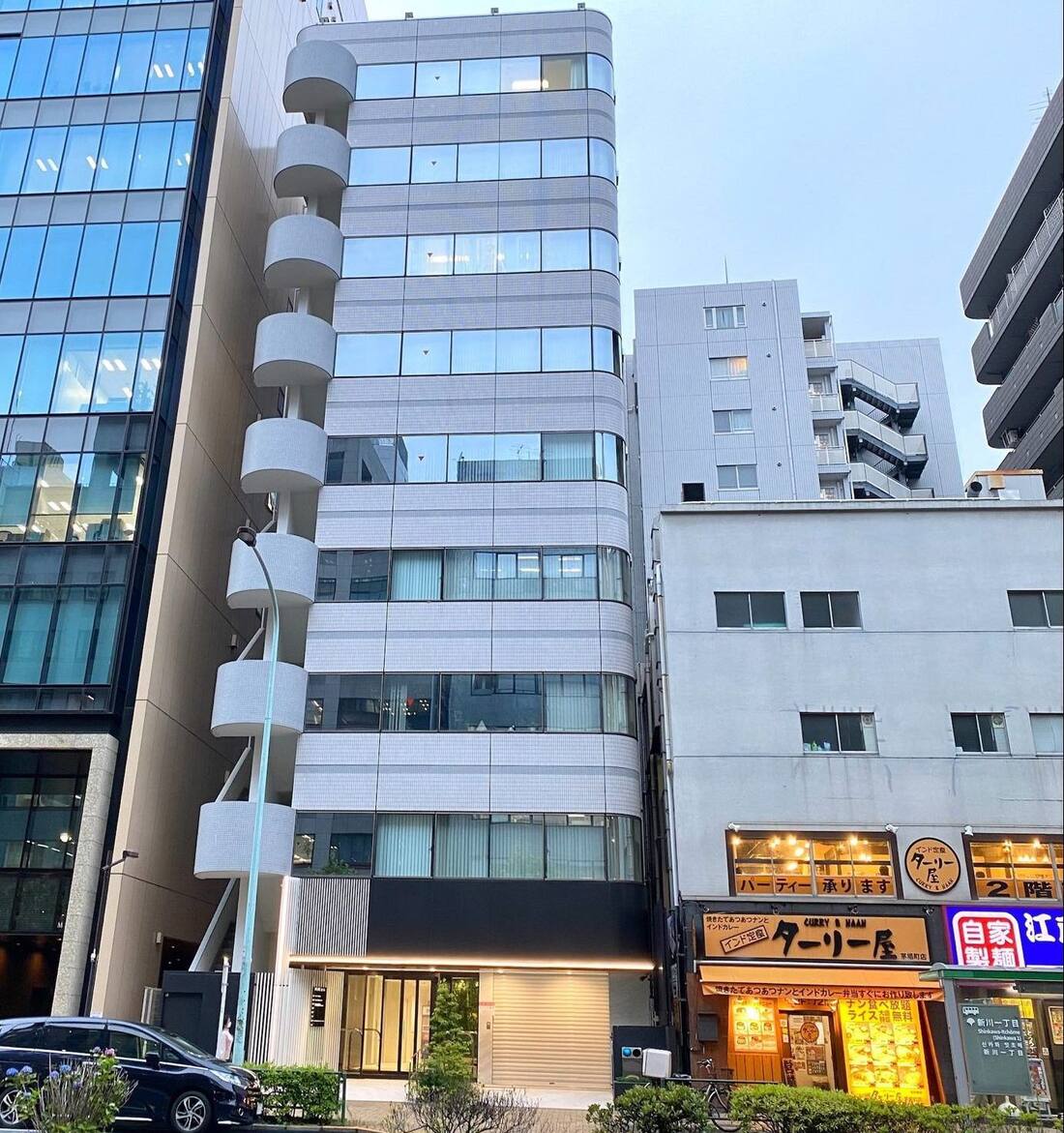
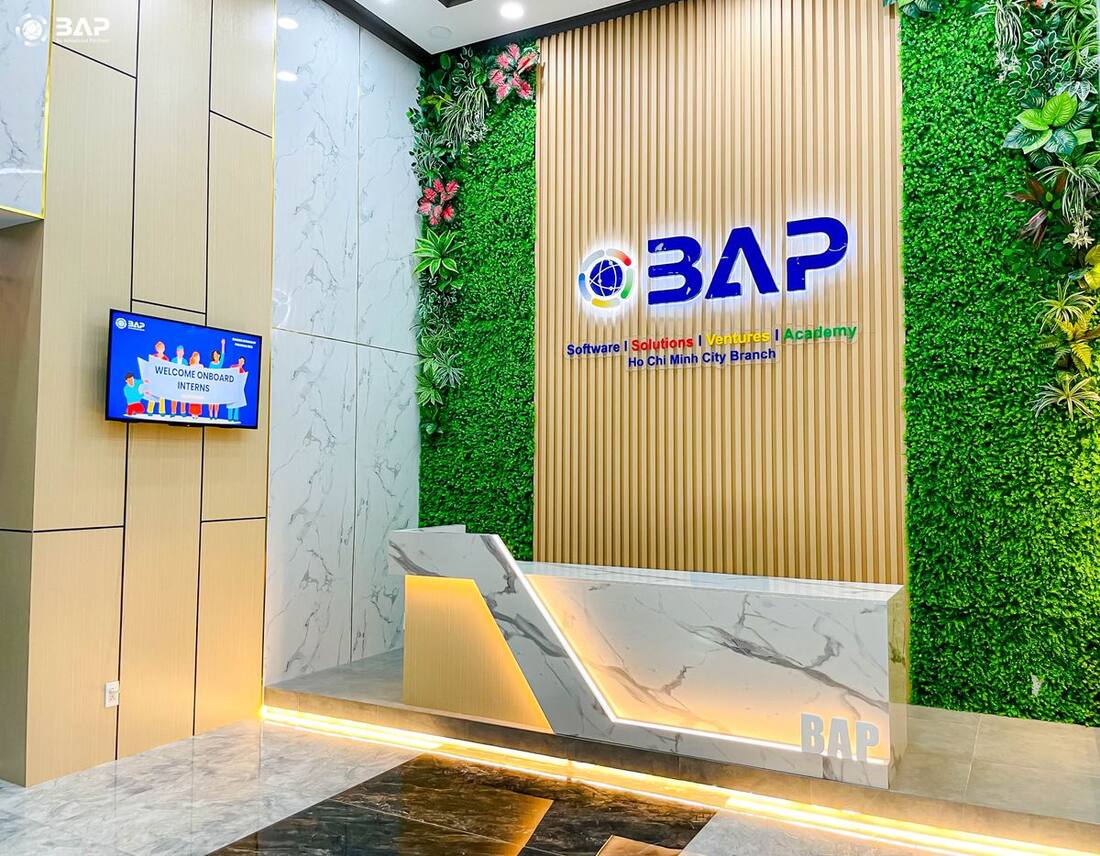
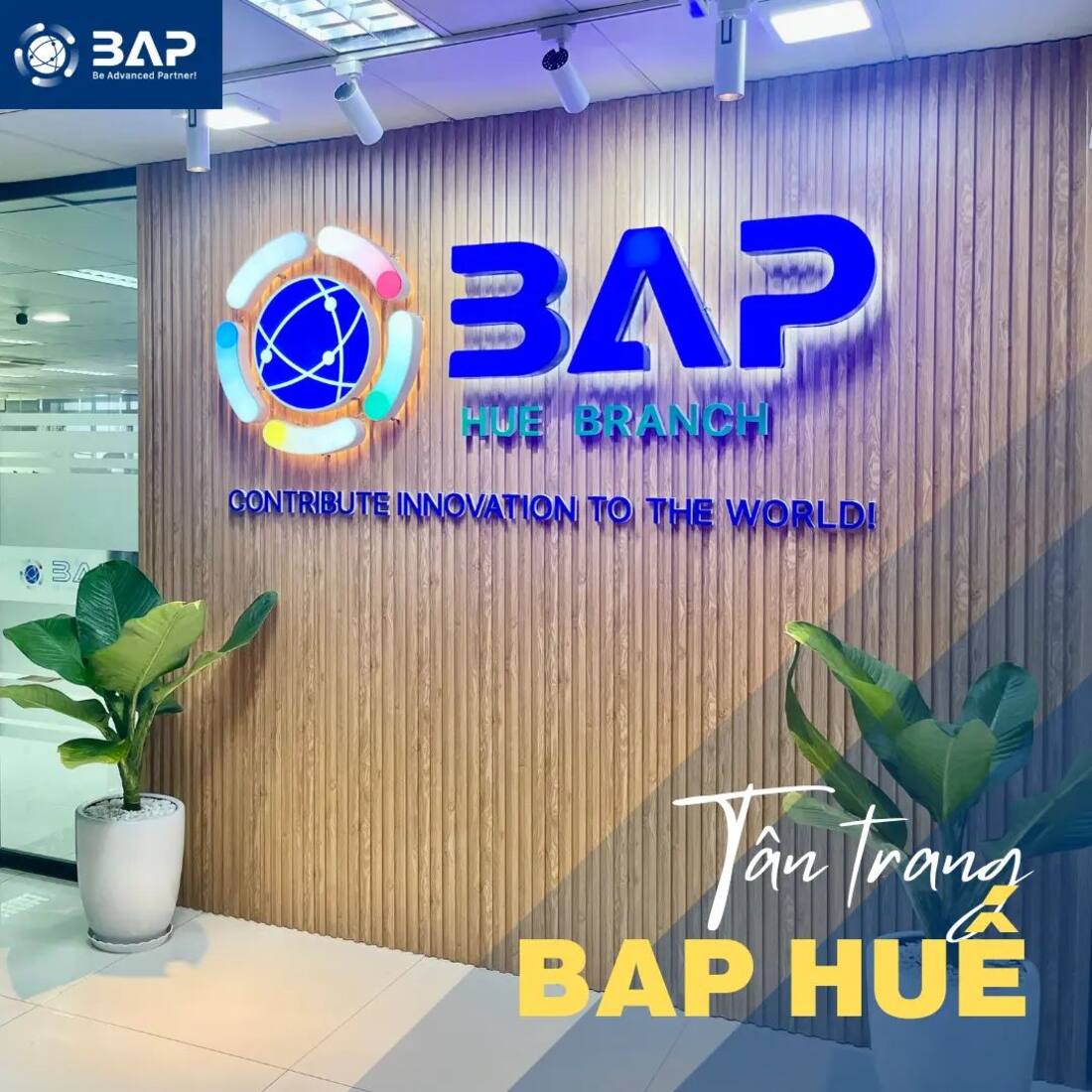
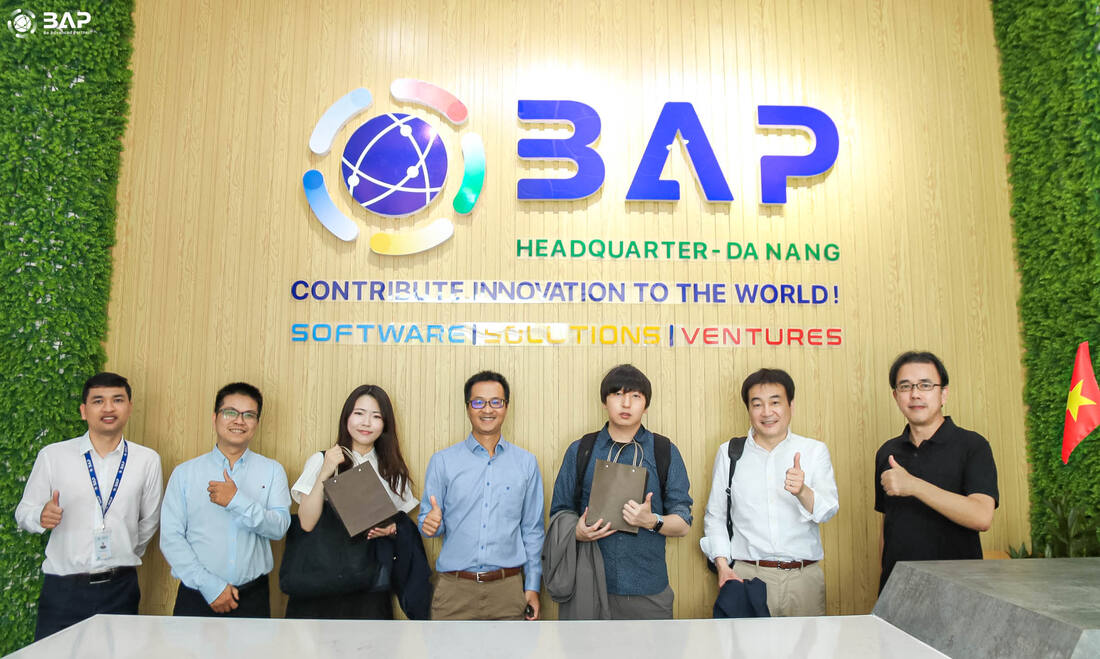
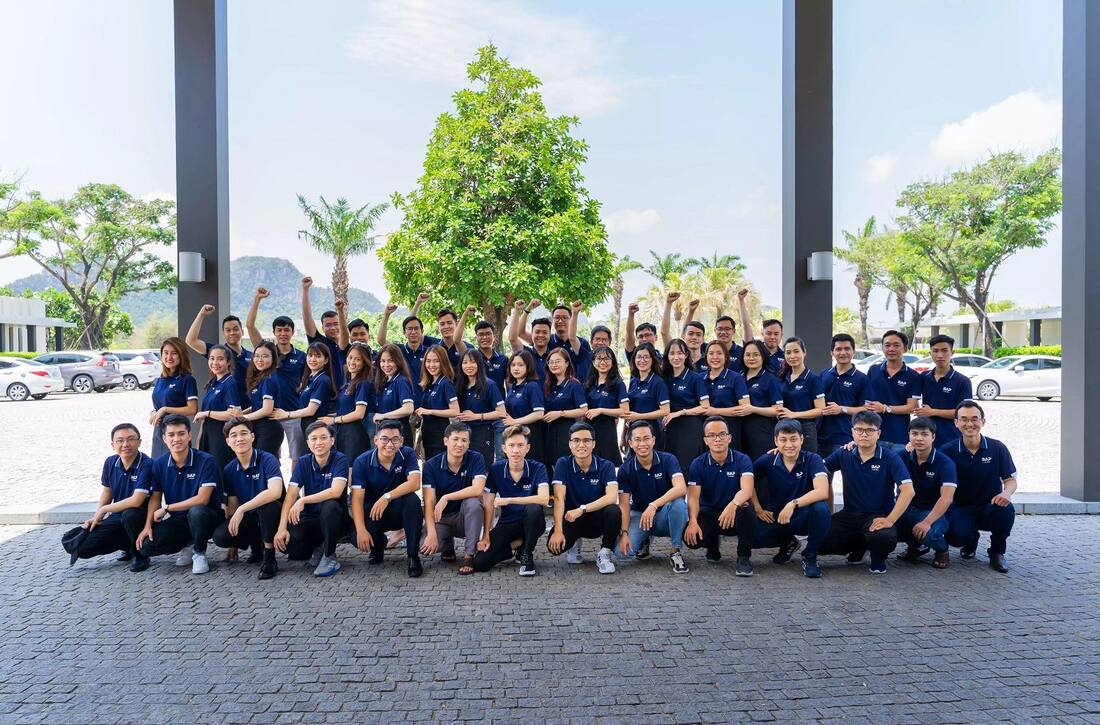
Real offices, real people, real milestones — from our HQ in Da Nang to Tokyo, Hanoi and Hue. Come and visit any of them; the coffee is on us.

Why BAP
With nearly 10 years of experience and business with more than 100 companies across 5 countries, we deliver technology that fits manufacturing quality requirements and operational needs.
Bilingual Japanese-Vietnamese engineers and consultants support you from site survey to rollout. Beyond software design and implementation, we integrate with PLCs, IoT gateways and existing systems.
Every project starts from clear goals and evaluation criteria. We measure results with a PoC first, clarify the cost, and only then discuss scaling the investment.
We support post-deployment maintenance, improvement and team training so you can manage the system yourself, and we flexibly handle data storage and security requirements.
FAQ
Yes. Moving Excel and paper-based production management, daily reports and inventory records to an MES (Manufacturing Execution System) and WMS (Warehouse Management System) gives you real-time progress and inventory visibility. BAP starts with a site survey to map your workflows, then digitizes the highest-priority processes step by step, building on your existing Excel practices. We do not force a full replacement overnight.
Yes. By retrofitting sensors and IoT gateways onto legacy equipment, we can collect operating status, cycle time, temperature and power consumption. Equipment with a PLC can often be read directly from the PLC. No equipment replacement is needed, so you can start visualizing OEE (overall equipment effectiveness) with limited investment.
It depends on scope (number of lines and machines, and the systems to integrate), so we do not quote a fixed price. BAP first clarifies goals and evaluation criteria through a site survey, then starts with a small PoC to limit initial investment. Costs are shown upfront, and you decide on full rollout after seeing results. Contact us for an estimate.
The data is your asset. Rights to the source code and the delivery scope are agreed in the contract. We also adapt to your requirements for data storage (on-premises or cloud) and security.
No. BAP's MES, WMS and IoT solutions are designed to connect shop-floor data to your existing ERP. They complement what ERPs are weak at, real-time shop-floor data capture, and help you avoid unnecessary investment. We also support API integration and building the data integration layer.
Start with a site survey and pick the one problem costing you the most, such as manual data entry, inventory discrepancies or equipment downtime. Even small and mid-sized factories can start small with a PoC on a single line or area, then expand step by step once results are confirmed.
Yes. Bilingual Japanese-Vietnamese engineers and consultants support you in Japanese from site survey to operations. We also support plants overseas, including in Vietnam, and their integration with your Japanese headquarters.
Yes, when focused where ROI is clear. We validate AI visual inspection, predictive maintenance and demand forecasting with a PoC first, then scale. We also offer the Factory AI Academy, which teaches your staff to use tools like ChatGPT and Claude.
60 minutes, at your factory or online. You receive our notes and a prioritized improvement map — free, with no obligation.